
Hanen Approach Speech Therapy at BubbleBee Children Speech Services

Welcome to BubbleBee Children Speech Therapy, a speech therapy centre providing Hanen approach speech therapy for young children with communication and interaction difficulties.
The Hanen approach is a structured, evidence-based method that supports early communication and language development by empowering parents to take an active role in their child’s communication journey. Rather than focusing only on what happens during therapy sessions, this approach helps families learn how to support communication naturally throughout everyday routines.
At BubbleBee, Hanen-based intervention is delivered with warmth, clarity, and strong clinical reasoning, always adapted to the needs of the child and family.
What the Hanen Approach Is and Why It Matters
The Hanen approach is a family-centred practice developed by The Hanen Centre. It is widely used internationally and adopted by many leading speech therapy clinics in Singapore because of its strong evidence base and practical outcomes.
This approach advocates that:
- Parents are the child’s most important communication partners
- Everyday interactions are powerful opportunities for learning
- Children learn language best in meaningful, natural environments
Instead of relying solely on clinic-based drills, the Hanen approach focuses on helping adults learn how to create responsive, engaging interactions that support communication development throughout the day.

Hanen Approach Speech Therapy - A Family-Centred Practice
In Hanen, therapy extends beyond the therapy room. Parents and caregivers learn specific strategies that can be used during play, meals, book-sharing, and daily routines.
This family-centred practice:
- Supports communication in real-life contexts
- Builds parents’ confidence and understanding
- Encourages consistency across home and school
- Reduces pressure on the child to “perform”
Hanen strategies support speech therapy by focusing on interaction, responsiveness, and shared attention rather than isolated language exercises.
Hanen Approach – Who It Is For?
Hanen approach is a well-known program designed for young children who have social communication difficulties, including children on the autism spectrum.
This program is suitable for:
- Young children with delayed communication
- Children who use few words or inconsistent language
- Children who struggle with interaction, joint attention, or play
- Families who want structured guidance to support communication
- More Than Words is a parent-implemented program designed for caregivers of children with Autism Spectrum Disorders or other communication challenges.
- Hanen It Takes Two to Talk for parents of children with Language Delays.
- Hanen TalkAbility for parents of autistic children who are speaking in sentences and having conversations but struggle with social-pragmatic skills.
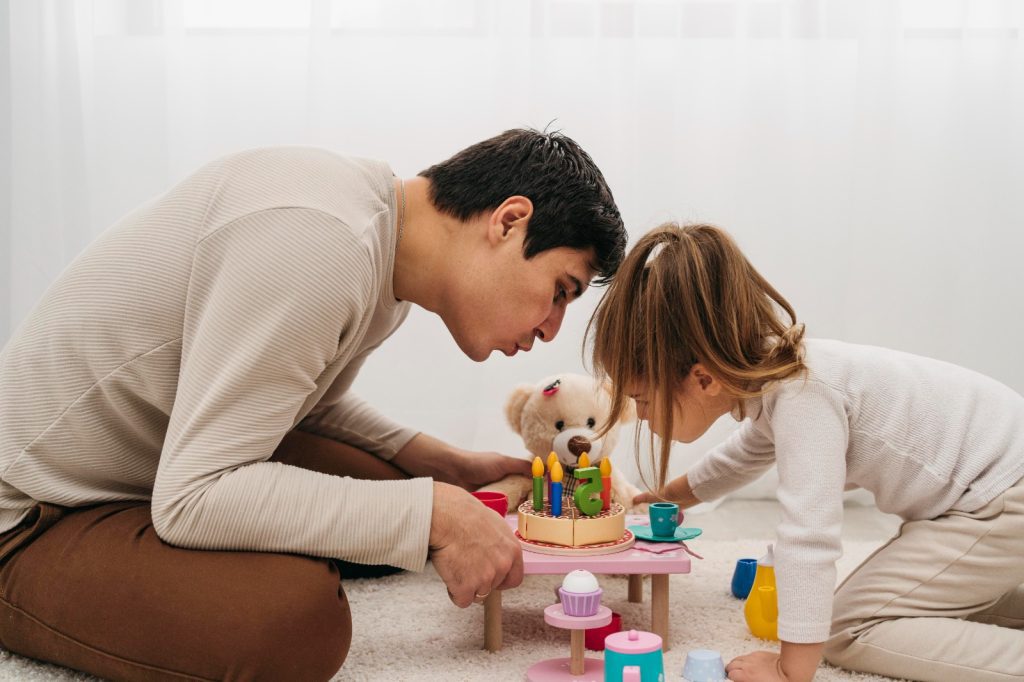
Hanen Approach Supports Communication Development
The Hanen approach helps parents:
- Learn how to follow their child’s lead
- Create opportunities for communication during everyday activities
- Support early communication without pressure
- Encourage interaction, turn-taking, and shared enjoyment
This structured, evidence-based method focuses on helping children develop the foundations for communication before expecting verbal language to emerge.
How the Hanen Approach Works in Practice
The Hanen approach is grounded in early childhood development and language learning theory. It recognises that children learn to communicate through repeated, meaningful interactions with responsive adults.
In practice, this approach:
- Uses natural routines rather than artificial tasks
- Emphasises quality of interaction over quantity of words
- Supports both verbal and non-verbal communication
- Encourages gradual development at the child’s pace
The natural environment is where communication happens most effectively, which is why Hanen-based therapy focuses on everyday moments.
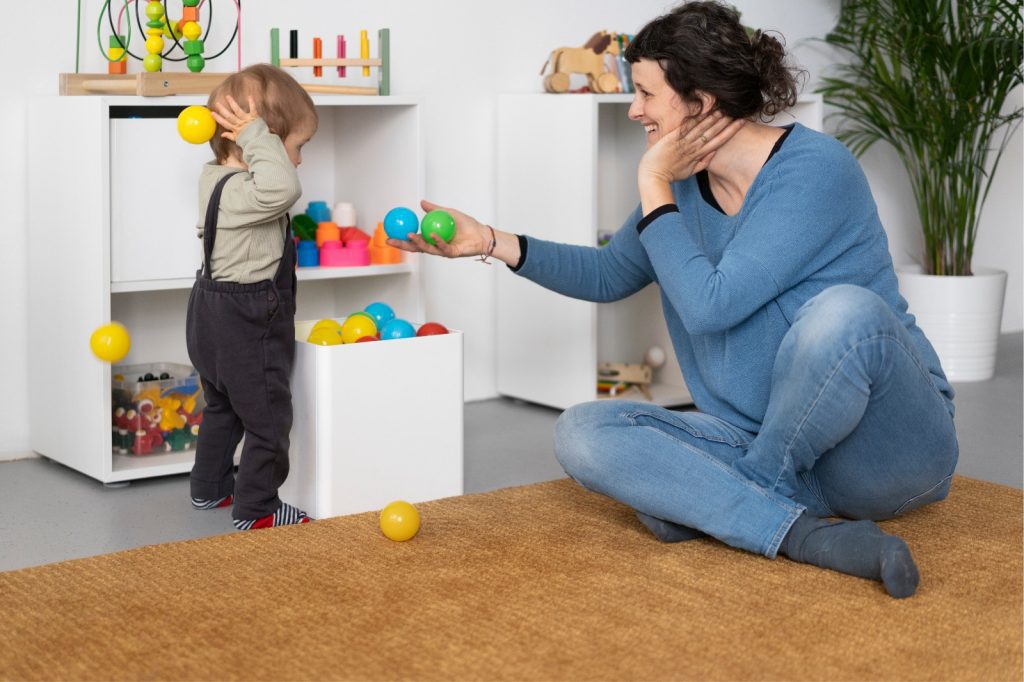
Play-Based Intervention That Adopts Hanen Principles
Play-based intervention is central to the Hanen approach. Through play, children practise communication skills such as:
- Turn-taking
- Eye contact and shared attention
- Gestures, sounds, and early words
- Social engagement
Therapists guide parents on how to use play to support communication without turning it into a structured lesson.
Assessment and Therapy Planning
Assessment focuses on:
- Early communication skills
- Interaction and play patterns
- Language understanding and expression
- Social engagement and attention
- Family routines and priorities
This information forms the basis of a personalised therapy plan.
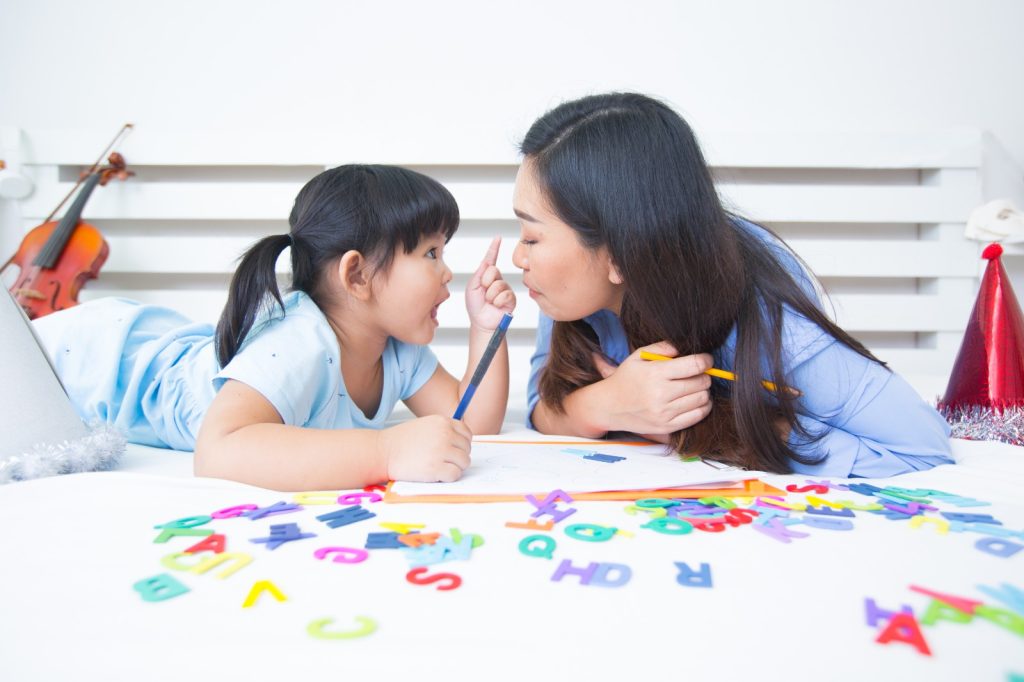
Tailoring the Hanen Approach to Each Child
Although Hanen programs follow a structured framework, therapy is always adapted to the individual child.
Therapy planning considers:
- The child’s developmental stage
- Strengths and challenges
- Sensory and regulation needs
- Family context and routines
This ensures therapy remains practical, respectful, and effective.
The Role of Parents in the Hanen Approach
Parents learn to:
- Recognise communication opportunities
- Respond in ways that encourage interaction
- Adjust their communication style to match their child
- Support language growth naturally
This active role helps families feel more confident and less dependent on weekly therapy sessions alone.
Coaching and Support During Hanen-Based Sessions
During sessions, therapists:
- Observe parent-child interaction
- Provide feedback and coaching
- Model strategies where helpful
- Help parents reflect on what works
This collaborative process supports long-term communication development.
Hanen Certified Speech Pathologists and Clinical Expertise
At BubbleBee, Hanen-based intervention is guided by Ms. Agnieszka Debowska, Senior Speech-Language Therapist.
She is:
- Hanen certified in: ITTT (It Takes Two to Talk), MW (More Than Words), TA (TalkAbility)
- Experienced in early communication and language therapy
- Skilled in family-centred practice
Her clinical approach ensures that Hanen strategies are applied thoughtfully and ethically, always prioritising the child’s wellbeing and development.

How Hanen Approach Speech Therapy Supports Long-Term Development
Hanen-based therapy supports more than early words. It builds skills that underpin long-term communication and learning, including:
- Interaction and social engagement
- Early literacy foundations
- Attention and listening skills
- Emotional regulation through communication
By supporting these foundations early, children are better prepared for later language and learning demands.
Hanen Approach and Other Developmental Frameworks
The Hanen approach aligns well with other developmental frameworks such as DIR/Floortime. Both emphasise:
- Following the child’s lead
- Building interaction and connection
- Supporting communication within relationships
When appropriate, therapists may integrate principles from multiple approaches to best support the child.
Frequently Asked Questions
What is Hanen Approach Speech Therapy?
Hanen approach speech therapy is a family-centred, evidence-based method that supports early communication and language development by coaching parents to use everyday interactions as learning opportunities.
What is Hanen More Than Words used for?
Hanen More Than Words supports young children with social communication difficulties, including children with autism, by helping parents build interaction and communication during daily routines.
Do parents need to attend all Hanen sessions?
Yes. Parent participation is essential because the approach focuses on empowering caregivers to support communication throughout the day.
Is the Hanen approach suitable for all children with speech delay?
How long does Hanen-based therapy usually take?
Start Hanen Approach Speech Therapy With Confidence
If you are exploring Hanen approach speech therapy for your child, BubbleBee Children Speech Therapy offers clear assessment, structured guidance, and compassionate support.
We work closely with families to support meaningful communication growth that fits naturally into everyday life.
Contact us to learn more or to schedule an assessment.


