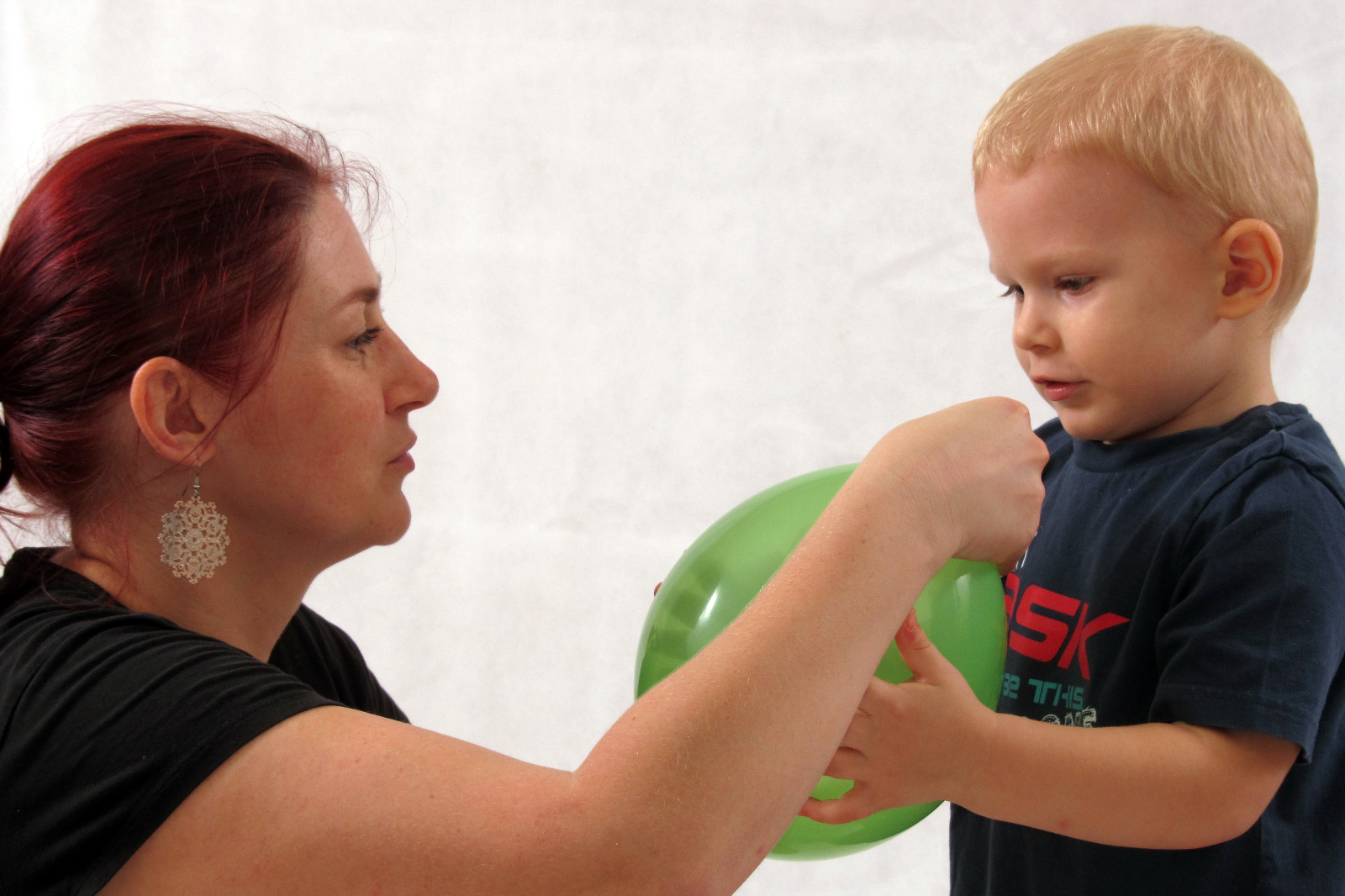
Lidcombe Program Treatment at BubbleBee Children Speech Therapy
Welcome to BubbleBee Children Speech Therapy. We provide Lidcombe Program Treatment for young children who stutter, delivered in a supportive, structured, and family-centred way.

What the Lidcombe Program Is and How It Helps
Who the Lidcombe Program Is Designed For
This treatment is typically recommended for:
- Young children who stutter, usually in the preschool years
- Children showing signs of early stuttering rather than long-standing speech difficulties
- Families who are able to take an active role in daily communication practice

How Lidcombe Program Treatment Works
The treatment works by:
- Training parents to give specific, supportive verbal feedback
- Reducing stuttered speech gradually over time
- Tracking progress using severity ratings
- Adjusting strategies based on the child’s response

Assessment Before Starting the Program
Before beginning Lidcombe Program Treatment, a comprehensive assessment is conducted. This ensures the approach is appropriate for the child and that families understand what the program involves.
What the Assessment Looks At
- Speech fluency and stuttering patterns
- Language development and communication skills
- Family history of stuttering
- Child’s age and stage of development
- Parent readiness for a parent-guided therapy approach

The Two Stages of the Lidcombe Program
Stage One - Reducing Stuttered Speech
Stage One focuses on reducing the frequency and severity of stuttering. Parents provide verbal feedback in short, planned conversations, guided by the speech therapist.
Progress is measured carefully, and therapy continues until stuttering is significantly reduced or no longer present.
Stage Two - Maintaining Progress
Stage Two helps maintain fluency gains over time. Therapy sessions become less frequent, while parents continue to monitor speech patterns.
This stage is important for ensuring long-term stability and preventing relapse.
The Parent’s Role in Treatment

Parents are guided to:
- Use verbal feedback appropriately
- Keep communication positive and pressure-free
- Integrate practice naturally into daily routines
Speech Therapists and Clinical Oversight
At BubbleBee, the Lidcombe Program is overseen by Ms. Agnieszka Debowska, Senior Speech-Language Therapist
- Conducting assessment and treatment planning
- Coaching parents through each stage
- Monitoring progress and adjusting strategies
- Ensuring therapy remains evidence-based and child-centred

Frequently Asked Questions
Is the Lidcombe Program suitable for all children who stutter?
How long does Lidcombe-based therapy usually take?
Will my child be aware that they are being treated?
What if my child resists feedback?
Can the Lidcombe Program be combined with other speech therapy?
Starting Lidcombe Program Treatment in Singapore
If your child is showing signs of early stuttering and you are exploring Lidcombe Program Treatment, BubbleBee Children Speech Therapy Singapore can guide you through the process with clarity and care.
Contact us to learn more or to schedule an assessment.