
Oral Motor Therapy at BubbleBee Children Speech Therapy
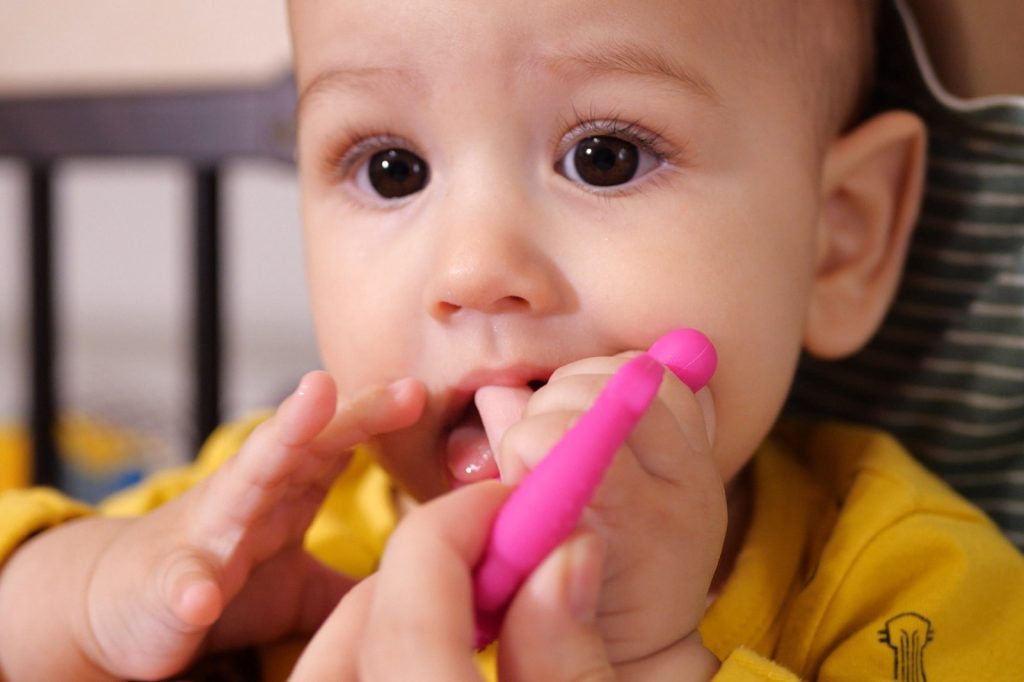
Welcome to BubbleBee Children Speech Therapy, a paediatric speech therapy centre providing Oral Motor Therapy for children with speech, feeding, and oral control difficulties. Oral Motor Therapy also helps children with structural changes, such as lip or tongue ties.
We support children who experience challenges with mouth coordination, oral strength, and motor control that affect speech clarity, eating, drinking, and overall communication. Our therapy approach is grounded in clinical reasoning, child development, and evidence informed practice rather than focused on repetitive drills.
At BubbleBee, Oral Motor Therapy is always delivered within a broader communication and feeding framework. We consider regulation, engagement, and functional outcomes so therapy supports real-life participation, not just isolated skills.
What Oral Motor Therapy Is and When It Is Used
Oral Motor Therapy is a structured approach that focuses on how the muscles of the mouth, jaw, lips, and tongue work together to support speech and feeding. These oral-motor muscles play a key role in articulation, chewing, swallowing, and breathing coordination.
In clinical practice, Oral Motor Therapy is used selectively and purposefully. It is not provided as a stand-alone solution for every speech delay. Instead, it is applied when assessment shows that oral motor control or coordination is affecting function.
Oral Motor Therapy may support children who:
- Have difficulty coordinating jaw, lip and tongue movements
- Struggle with feeding, chewing, or drinking
- Show reduced oral mobility or stability
- Experience speech difficulties linked to motor control rather than language understanding
Oral Motor Therapy as Part of Speech and Feeding Intervention
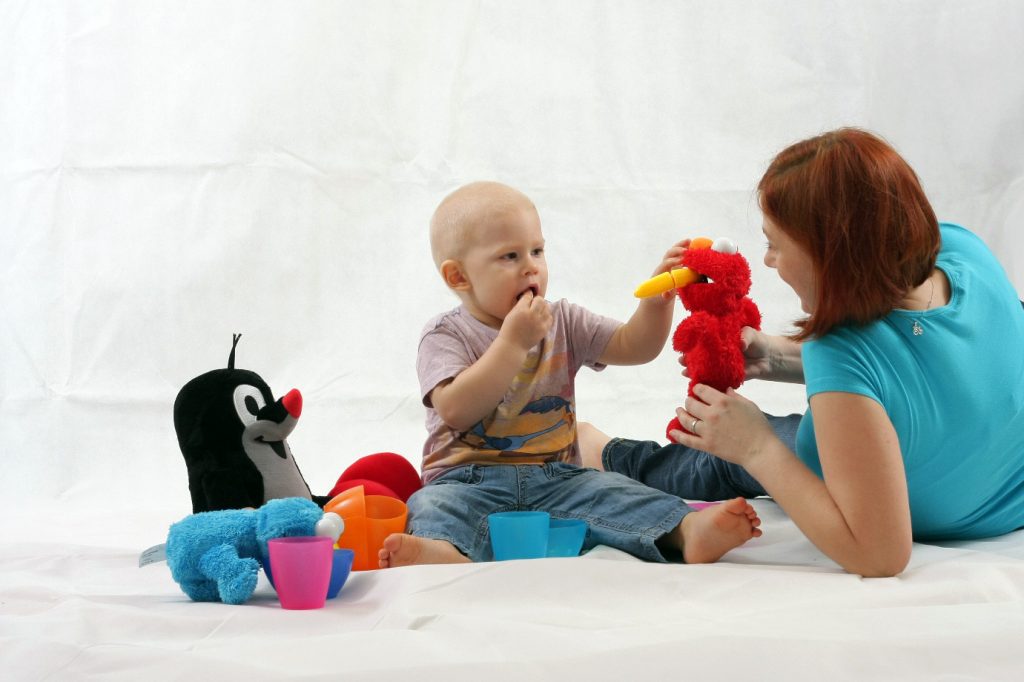
Oral-Motor Therapy (OMT) is most effective when integrated into a broader therapy plan. At BubbleBee, oral motor work supports speech therapy and feeding therapy goals rather than replacing them.

We focus on how oral motor skills impact:
- Speech production and clarity
- Feeding and eating efficiency
- Breathing and coordination
- Overall communication effectiveness
Rather than using non-speech activities that involve sensory stimulation alone, therapy is guided by functional relevance. Each activity is chosen because it supports a meaningful outcome for the child.
Who Can Benefit From Oral Motor Therapy Singapore
Children referred for Oral Motor Therapy services may include:
- Toddlers with feeding and chewing difficulties
- Children with speech sound disorders linked to oral control
- Children with motor coordination challenges affecting the mouth
- Children with oral placement difficulties during speech
Not all children with speech delays require oral motor intervention. A thorough assessment helps determine whether oral motor work is a key component or whether other approaches are more appropriate.
Assessment Before Starting Therapy
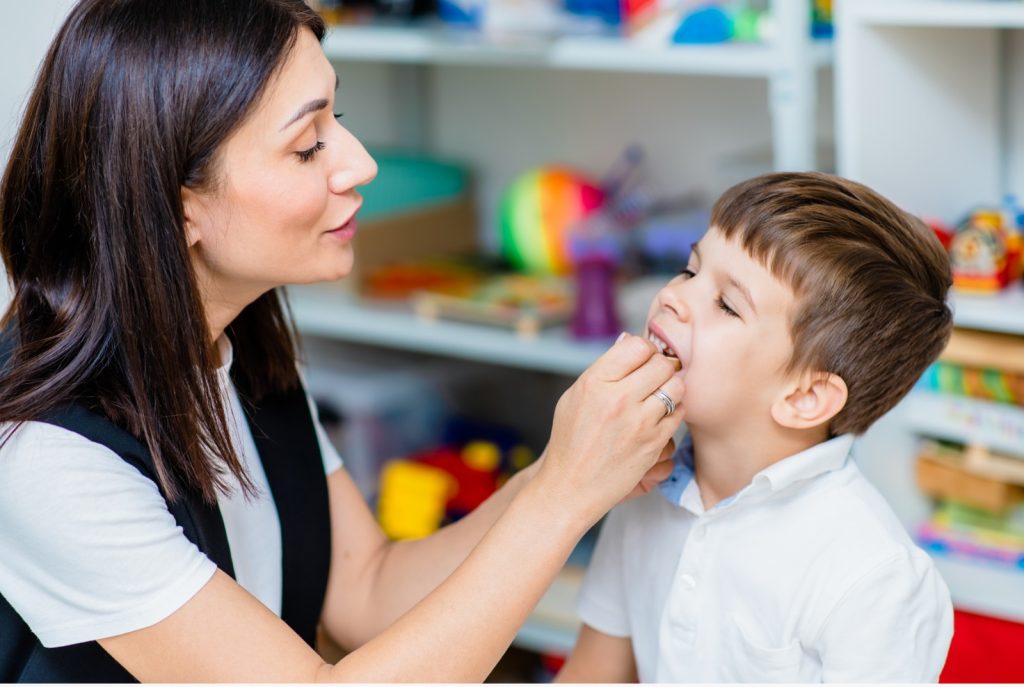
Before recommending Oral Motor Therapy, we conduct a comprehensive assessment. This ensures therapy targets the right areas and avoids unnecessary or ineffective exercises.
The assessment looks at:
- Oral motor control and coordination
- Jaw, lip, and tongue movement patterns
- Feeding and swallowing function
- Speech clarity and articulation
- Breathing and posture where relevant
Assessment findings guide whether Oral Motor Therapy is appropriate and how it should be incorporated into the overall therapy plan.
How We Decide If Oral Motor Work Is Needed
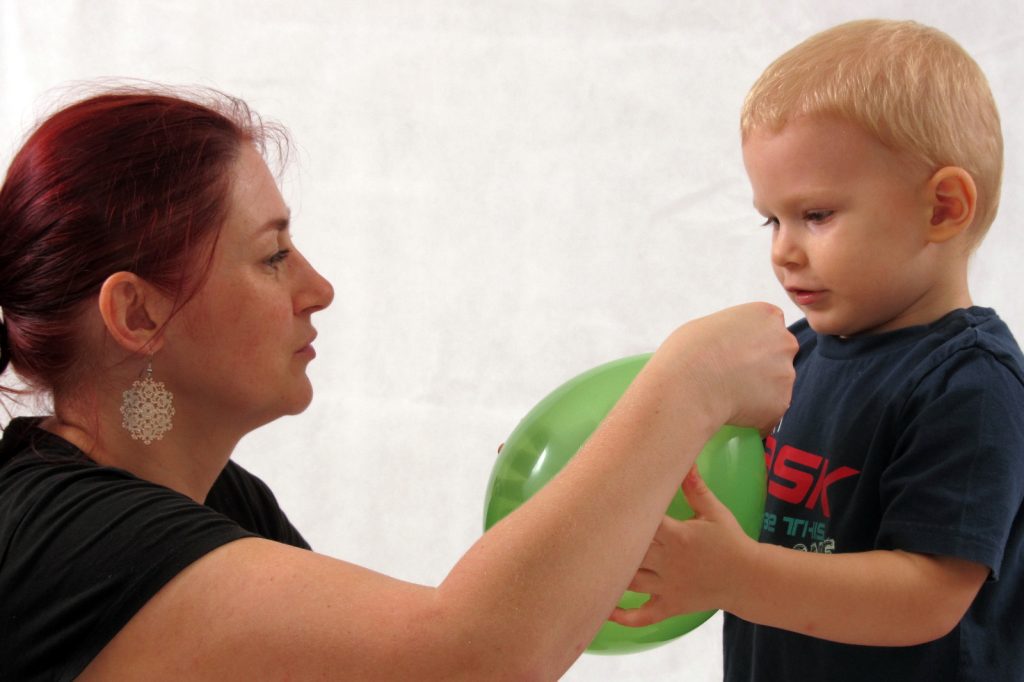
Oral Motor Therapy is not applied by default. Our therapist consider:
- Whether motor orofacial skills are limiting speech or feeding
- Whether oral motor exercises will transfer to functional skills
- The child’s ability to engage with therapy activities
What Oral Motor Therapy Sessions Look Like
Sessions may include:
- Targeted motor exercises for oral placement and control
- Functional activities linked to speech or feeding tasks
- Games that support motor skills without overwhelming the child
- Integration with communication and language goals
Activities are adapted across sessions based on progress and tolerance. Therapy focuses on quality of movement and coordination rather than repetition alone.
Integrating Oral Motor Therapy With Speech Therapy
Feeding and Oral Motor Therapy
For some children, Oral Motor Therapy plays an important role in feeding intervention. Difficulties with eating, chewing, biting, or drinking may be linked to oral motor control.
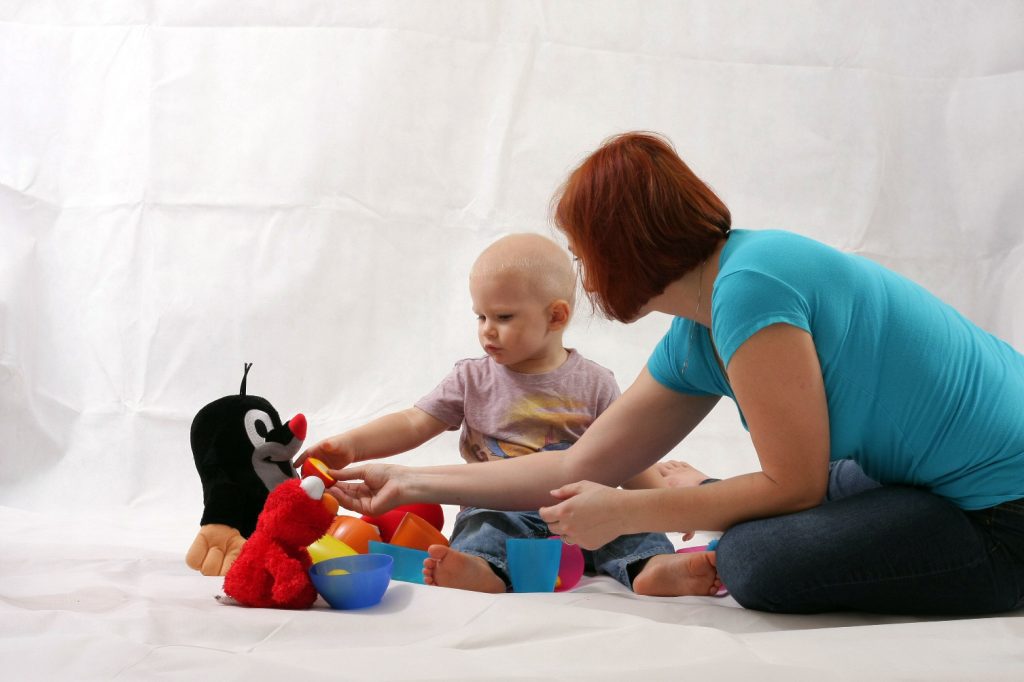
Feeding-related Oral Motor Therapy may support:
- Efficient chewing and swallowing
- Safer feeding patterns
- Reduced fatigue during meals
- Greater comfort with a variety of food textures
Feeding goals are addressed carefully and always in line with the child’s readiness and overall development.
Parent Guidance and Home Support
This may include:
- Clear explanations of therapy goals
- Guidance on daily routines that support oral motor skills
- Advice on feeding practices when relevant
We avoid providing generic exercise lists. Instead, guidance is tailored and clinically appropriate for each child.
Clinical Leadership and Therapy Approach
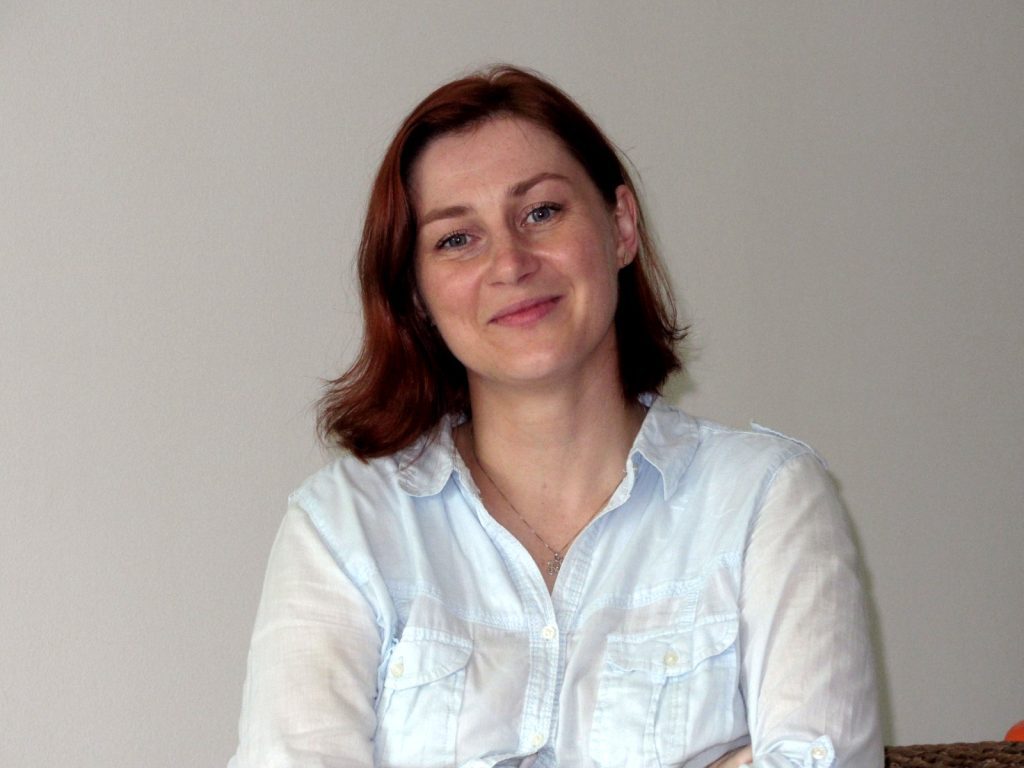
BubbleBee Children Speech Therapy Singapore is led by Ms. Agnieszka Debowska, Senior Speech-Language Therapist.
Her approach to Oral Motor Therapy emphasises:
- Evidence-informed clinical reasoning
- Functional outcomes over isolated exercises
- Integration with speech, feeding, and communication goals
This ensures therapy remains purposeful, safe, and aligned with each child’s needs.
Frequently Asked Questions
What is Oral Motor Therapy used for?
Does every child with speech delay need Oral Motor Therapy?
Is Oral Motor Therapy the same as speech therapy?
Can Oral Motor Therapy help with feeding difficulties?
How long does Oral Motor Therapy take?
Start Oral Motor Therapy With Confidence
If you are exploring Oral Motor Therapy for your child, BubbleBee Children Speech Therapy Singapore offers thoughtful assessment, clear clinical guidance, and child-centred intervention.
We begin by understanding your child’s needs, explain findings clearly, and recommend therapy only when it is likely to support meaningful progress.
Contact us to learn more or to schedule an assessment.


