
PECS Therapy at BubbleBee Children Speech Therapy

Welcome to BubbleBee Children Speech Therapy, a paediatric speech therapy centre offering PECS therapy for children with communication challenges.
PECS therapy supports children who have limited or no functional speech by teaching them how to communicate using pictures. At BubbleBee, PECS is delivered as part of a broader communication and language therapy approach that considers regulation, engagement, and the child’s overall development.
We work closely with families to help children develop meaningful ways to communicate their needs, preferences, and ideas in everyday situations.
What PECS Therapy Is and How It Supports Communication
PECS is:
- An augmentative and alternative communication system
- Designed to teach children to initiate communication
- Focused on practical, everyday communication needs
PECS allows children to communicate using pictures rather than relying on speech alone. This can be especially helpful for children with autism and related developmental disabilities who struggle to express themselves verbally.

Many families seek PECS therapy when their child has:
PECS Therapy for Children With Autism and Communication Needs
- No communication abilities or very limited speech
- Difficulty expressing needs or making requests
- High frustration related to communication breakdowns
- Challenges engaging with others meaningfully
PECS helps non-verbal children improve communication skills by giving them a clear, reliable way to express themselves. Importantly, PECS does not prevent speech development. For many children, it supports communication while spoken language is developing.
How PECS Therapy Works in Practice
The PECS system:
- Was developed to support functional communication
- Teaches children to initiate interaction rather than wait
- Builds communication skills in a structured progression
Children learn that communication leads to meaningful outcomes, such as getting a preferred item, activity, or response from another person.
The PECS Communication Stages
PECS therapy follows a structured sequence of 6 stages, each building on the previous one.
These stages focus on:
- Exchanging a picture for a desired item
- Increasing independence and persistence
- Expanding picture choices
- Building simple sentence structures
Progression through the PECS system is guided by the child’s readiness and consistency, not by age alone.
Functional Communication as the Core Goal of PECS Therapy
Functional communication includes:
- Requesting preferred items or activities
- Making choices
- Gaining attention appropriately
- Reducing behaviours linked to frustration
By teaching children effective communication strategies, PECS can positively impact behaviour, engagement, and social interaction.

Assessment Before Starting PECS Therapy
Assessment considers:
- Current communication methods
- Understanding of symbols and pictures
- Attention and engagement levels
- Sensory and regulation needs
- Family routines and priorities
This ensures PECS is introduced thoughtfully and integrated appropriately into the child’s overall therapy plan.

Is PECS the Right Communication System for My Child?
PECS is not suitable for every child. Our clinicians consider:
- Whether the child benefits from visual communication
- Whether PECS will support functional outcomes
- How PECS fits alongside language therapy goals
The decision to use PECS is based on individual assessment, not diagnosis alone.
PECS Therapy Within a Broader Language Therapy Framework
At BubbleBee, PECS therapy is not delivered in isolation. It is part of a broader language therapy approach that supports overall communication development.
This integrated approach may include:
- Supporting understanding of language
- Encouraging interaction and turn-taking
- Developing joint attention and engagement
- Gradually supporting spoken language when appropriate
PECS can be used alongside other strategies, depending on the child’s needs.
PECS and Other Communication Approaches
PECS may be used alongside approaches such as:
- Argumentative communication systems
- Visual schedules and supports
- Ipad and other device applications used for picture communication
The goal is always to choose tools that help the child communicate more effectively, not to rely on a single method.
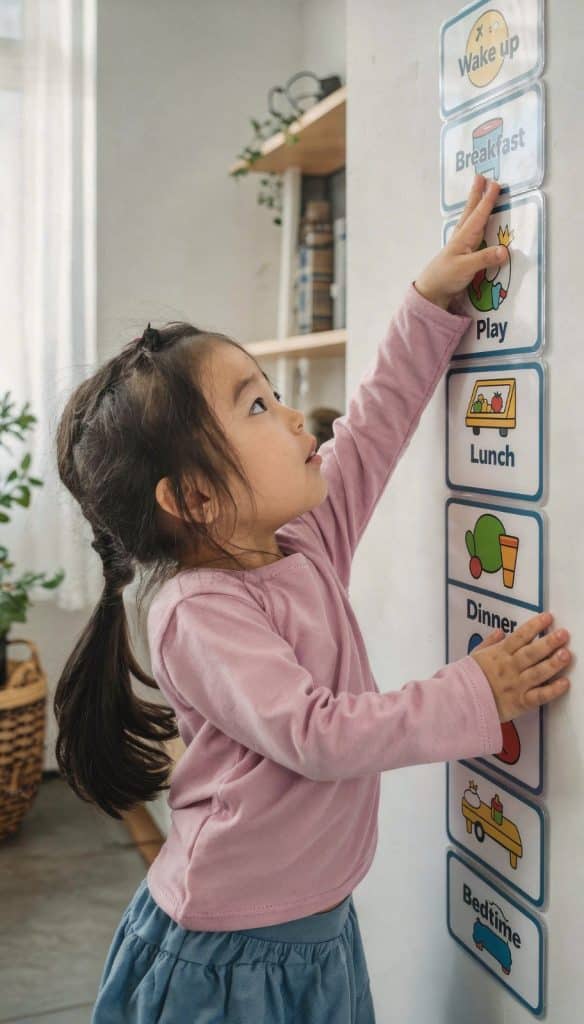
The Role of Parents and Communication Partners
Parent and caregiver involvement is essential in PECS therapy. Children need consistent opportunities to use PECS across environments.
Parents and professionals are guided to:
- Respond consistently to picture exchanges
- Create communication opportunities throughout the day
- Use PECS naturally during routines such as meals and play
This consistency helps children generalise communication skills beyond therapy sessions.
PECS-Trained Therapists and Clinical Expertise
- Accurate implementation of the PECS system
- Appropriate progression through stages
- Integration with broader communication goals
- Ongoing monitoring of progress

What PECS Therapy Sessions Look Like
Sessions may include:
- Teaching picture exchange in motivating contexts
- Practising communication with different partners
- Building independence and persistence
- Supporting regulation and engagement
Sessions are adjusted based on the child’s progress and comfort level.
Frequently Asked Questions About PECS Therapy
What is PECS therapy used for?
PECS therapy supports children who have difficulty using speech to communicate. It teaches functional communication using pictures, helping children express needs and make choices.
Does PECS therapy stop children from learning to talk?
No. PECS does not prevent speech development. For many children, it supports communication while spoken language is emerging.
Is PECS only for children with autism?
PECS is commonly used for children with autism, but it can also support children with other developmental communication difficulties.
How long does PECS therapy take?
The duration varies depending on the child’s needs and progress. Some children move quickly through stages, while others require longer support.
Do parents need training to use PECS?
Yes. Parents and caregivers are guided on how to use PECS consistently so communication skills transfer to daily life.
Start PECS Therapy With Confidence
If you are exploring PECS therapy for your child, BubbleBee Children Speech Therapy Singapore offers clear assessment, structured guidance, and compassionate support.
We work closely with families to help children develop meaningful, functional communication skills that support everyday life.
Contact us to learn more or to schedule an assessment.


