
Speech Therapy for Children with Autism
Welcome to BubbleBee , a speech therapy centre supporting children on the autism spectrum with communication, language, and social interaction needs. We provide speech therapy for children with autism in a way that is neuroaffirming, respectful, and practical for everyday life at home, preschool, and school.
Some children with autism are minimally verbal. Some speak in sentences but struggle with back-and-forth conversation. Others may use language differently, find it hard to understand social cues, or feel overwhelmed and shut down in group settings. Whatever your child’s profile, therapy should start with a clear understanding of how your child communicates today, and what supports will help them communicate more confidently tomorrow.
BubbleBee offers intervention for children who experience difficulties with regulation, engagement, building relationships, and talking. We work closely with parents so therapy strategies don’t stay inside the clinic. They become usable, realistic tools you can apply during meals, play, transitions, and daily routines.
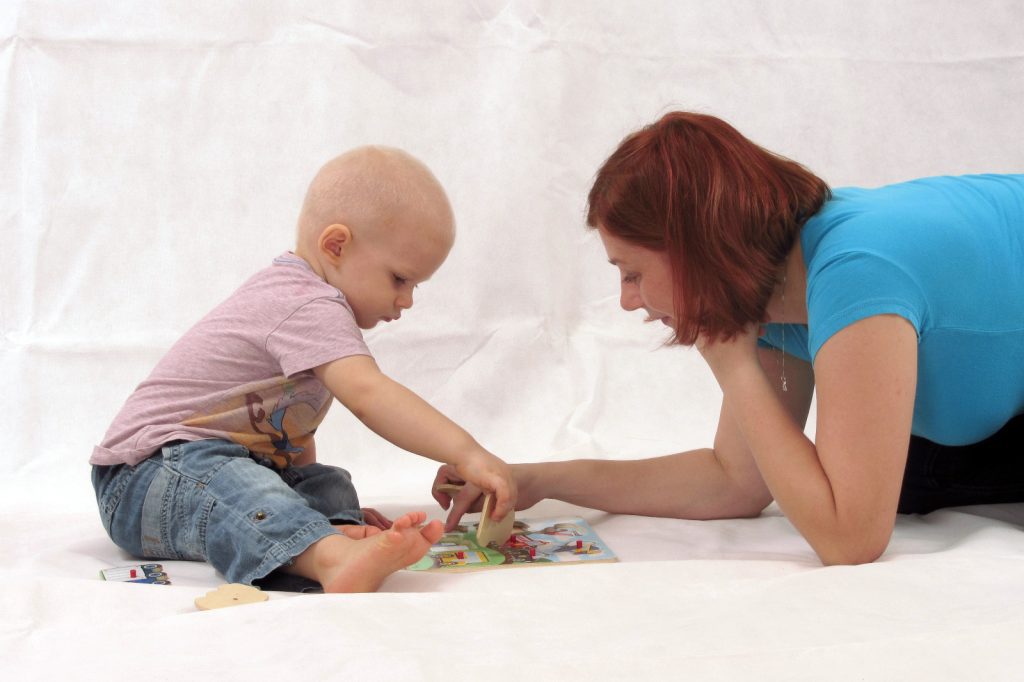
What Our Speech Therapy Supports
Communication difficulties: A detailed evaluation of speech development, language skills, interaction patterns, and communication behaviours.
Language skills: understanding instructions, building vocabulary, combining words, using more flexible language
Speech patterns: clarity, intelligibility, and speech sound development (when relevant)
Social interaction: turn-taking, joint attention, conversational skills, and social communication
Support tools: visual supports and communication boards when they help the child communicate more effectively
Who We Help?
If you’re searching for speech therapy for children on the spectrum, you may be noticing signs like:
- Limited or inconsistent communication
- Difficulty understanding language or following routines
- Frustration, meltdowns, or withdrawal linked to communication barriers
- Challenges playing with peers or taking turns in conversation
- Repetitive language, scripted speech, or difficulty using language socially
- Difficulty transitioning between activities because communication demands feel too high
Some families come in with a diagnosis already in place. Others are still in the assessment process and simply want clarity on their child’s communication and language development. Both are valid starting points.

Why It Matters?
We can support your child to:
- Communicate needs in ways that reduce frustration
- Engage more comfortably with adults and peers
- Participate more effectively in classroom routines
- Build independence over time through more reliable communication
- Play appropriately
- Expand interests and meanings
- Gradually start following typical developmental patterns
This does not mean forcing a child into a single “correct” communication style. It means building access: giving them tools that help them be understood, and helping them understand others.
BubbleBee’s Therapy Style - Calm, Structured, Child-Led Where It Helps
We believe in no drills, but purposeful interaction, play, and routines that create opportunities for communication.
At BubbleBee, sessions balance:
- Structure (when the child needs predictability)
- Engagement (children are motivated when adults follow their ideas and interests)
- Flexibility (so we can respond to regulation and sensory needs)
When a child is dysregulated or overwhelmed, learning drops. That is why our intervention often includes support for regulation, engagement, and relationship-building as the foundation for communication growth.
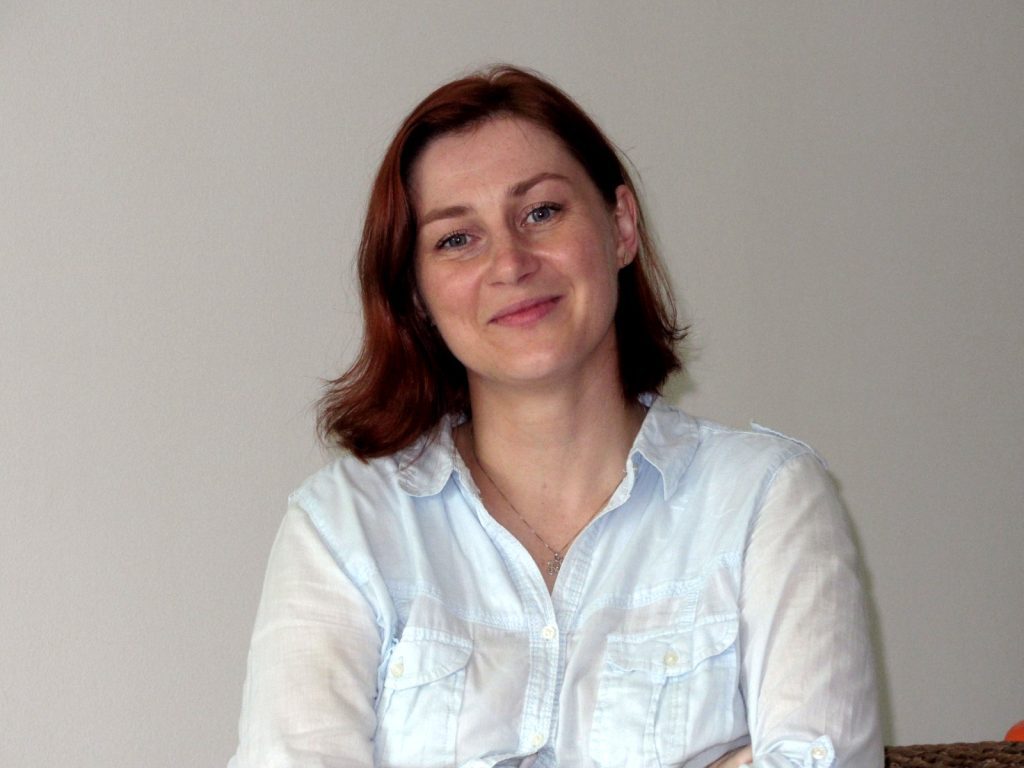
Meet Ms. Agnieszka Debowska, Senior Speech-Language Therapist
BubbleBee’s work is guided by Ms. Agnieszka Debowska, Senior Speech-Language Therapist.
Certification:
- Hanen® – It Takes Two to Talk®.
- More Than Words and TalkAbility
- Profectum DIR/Floortime training: Basic + Fellows + Trainer
Parents often want to know who is overseeing the therapy plan and how decisions are made. At BubbleBee, clinical reasoning is transparent: we explain what we see, what it means, and what we plan to do next, in plain language.
Provide Assessment — What Happens Before Therapy Starts
Before starting ongoing speech therapy for children with autism, we begin with a thorough assessment so we can:
1
2
3
4
5
6
What We Look At During Assessment
- Functional communication (requesting, rejecting, commenting, asking for help)
- Language understanding (following directions, comprehension)
- Expressive language (words, phrases, sentence development)
- Pragmatic language and social interaction
- Speech patterns and clarity (when relevant to goals)
- Communication tools like communication boards (if needed)
We share findings in a way parents can act on. You should leave knowing what matters most right now, not feeling buried in jargon.
Therapy Plan - Clear Goals, Measurable Progress
After assessment, we design an individual plan for speech therapy for neurodiverse children that reflects:
- The child’s current communication stage
- What motivates them
- What causes communication breakdowns
- What environments they need to function in (home, school, community)
We review goals regularly and adjust based on progress and changing needs. Autism is not static, and therapy shouldn’t be either.
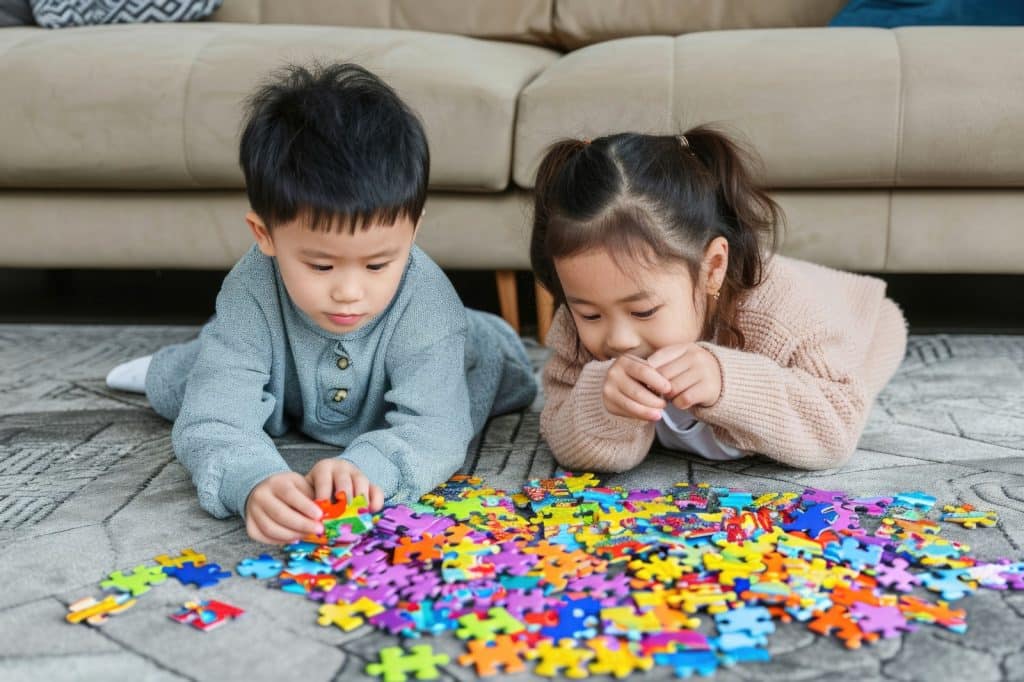
Common Goal Areas in Autism Speech Therapy
- Building consistent functional communication
- Developing language skills for daily life and learning
- Strengthening social interaction skills (turn-taking, joint attention, simple conversation)
- Supporting understanding of routines and instructions
- Improving communication flexibility, not only increasing word count
Speech Therapists Work With the Whole System, Not Only the Child
Speech therapists work best when parents are supported with practical strategies. In BubbleBee sessions, you can expect:
- Clear explanations of what we are targeting and why.
- Parent coaching that fits your real schedule.
- Guidance on how to create communication opportunities at home.
- Strategies for transitions, daily routines, and common “stuck points”.
This is especially important for children who communicate differently across settings. A child may communicate more at home, then shut down in school. Or the reverse. We plan for both.

Communication Boards and Alternative Communication Support
Some children benefit from visual support such as communication boards, or other alternative/augmentative communication strategies, such as Baby Sign language and PECS. These tools are not “giving up on speech”. They often reduce frustration and give the child a reliable way to communicate, which can support overall language development.
When We May Introduce Visual Supports
- The child has limited spoken language and high frustration
- The child understands more than they can express
- Transitions are hard because the child can’t communicate needs clearly
- The child struggles to make choices or request help consistently
We choose supports based on effectiveness, not trends. If something doesn’t help your child communicate more successfully, we don’t force it.
Feeding and Oral Sensory Support When Relevant
Examples of Feeding-Related Goals
- Reducing distress around textures
- Supporting safe, functional mealtime participation
- Building feeding skills gradually and respectfully
- We look at sensory processing related to feeding
- We observe function of the oral-motor structure
- We gradually modify the diet to help expand repertoire without affecting nutrition
Why BubbleBee for Speech Therapy for Kids with autism
Parents choose BubbleBee when they want:
- Calm, child-sensitive therapy delivery
- Clear explanations and transparent planning
- Support for engagement and interaction, not only “speech”
- Family involvement and carryover strategies
If you’re comparing options, it may help to ask any centre the same questions:
- How do you assess progress?
- How do you involve parents?
- How do you support generalisation to home and school?
- What happens if the child struggles with regulation during sessions?
FAQ - Speech Therapy for Children with Autism
What is speech therapy for children with ASD?
Speech therapy for children with autism supports communication across speech, language, and social interaction. This can include helping a child express needs, understand language, participate in conversation, and use tools like communication boards where helpful.
Is speech therapy only for children who are non-verbal?
No. speech therapy supports children across a wide range of communication profiles. Some children are minimally verbal. Others speak fluently but struggle with social language, conversation, or flexible communication.
How does speech therapy improve communication?
Speech therapy for children with autism helps by building functional communication, supporting language understanding and expression, and strengthening social interaction skills. For many children, success looks like fewer communication breakdowns and more reliable ways to connect with others. For others it will mean longer chains of interactions with familiar people. While for many it will eventually lead to a socially more appropriate, longer and more effective communication and conversation capacities.
How do I know if my child needs speech therapy?
If you notice persistent communication difficulties, challenges understanding language, frequent frustration linked to communication, or difficulty engaging socially, an assessment can clarify what support would help.
Do you use communication boards in speech therapy?
We may use communication boards, visual schedules and picture cues if they help the child communicate more effectively. These supports can reduce frustration and support language development, especially when spoken language is not yet reliable.
How long does speech therapy for children on the spectrum take?
There isn’t a single timeline. Some children benefit from focused blocks of therapy. Others need longer-term support as communication demands increase with school and social settings. We review goals regularly and adjust therapy plans based on progress.
Can parents sit in for speech therapy sessions?
Parent involvement is strongly encouraged. Therapy works better when strategies are used at home, not only in sessions. We guide parents on what to do between sessions and how to support communication during daily routines.
Can speech therapy for children with autism include feeding support?
Yes, we will only include it when it is appropriate for your child’s needs.
Start Speech Therapy for Children With BubbleBee
If you’re looking for speech therapy for children with Autism, we welcome you to reach out. We can start with an assessment, talk through what you’re seeing at home or in school, and recommend a plan that makes sense for your child and your family.
BubbleBee provides speech therapy for neurodivergent kids and supports families who want clear guidance, respectful intervention, and steady progress that carries into real life.
Contact Us to schedule an assessment or learn more about our speech therapy.


